Anime Goes Mainstream: How Japanese Animation Won the West
Learn how anime conquered western audiences, from niche fandom to mainstream cultural dominance. The story of Japanese animation's global rise.
Anúncios
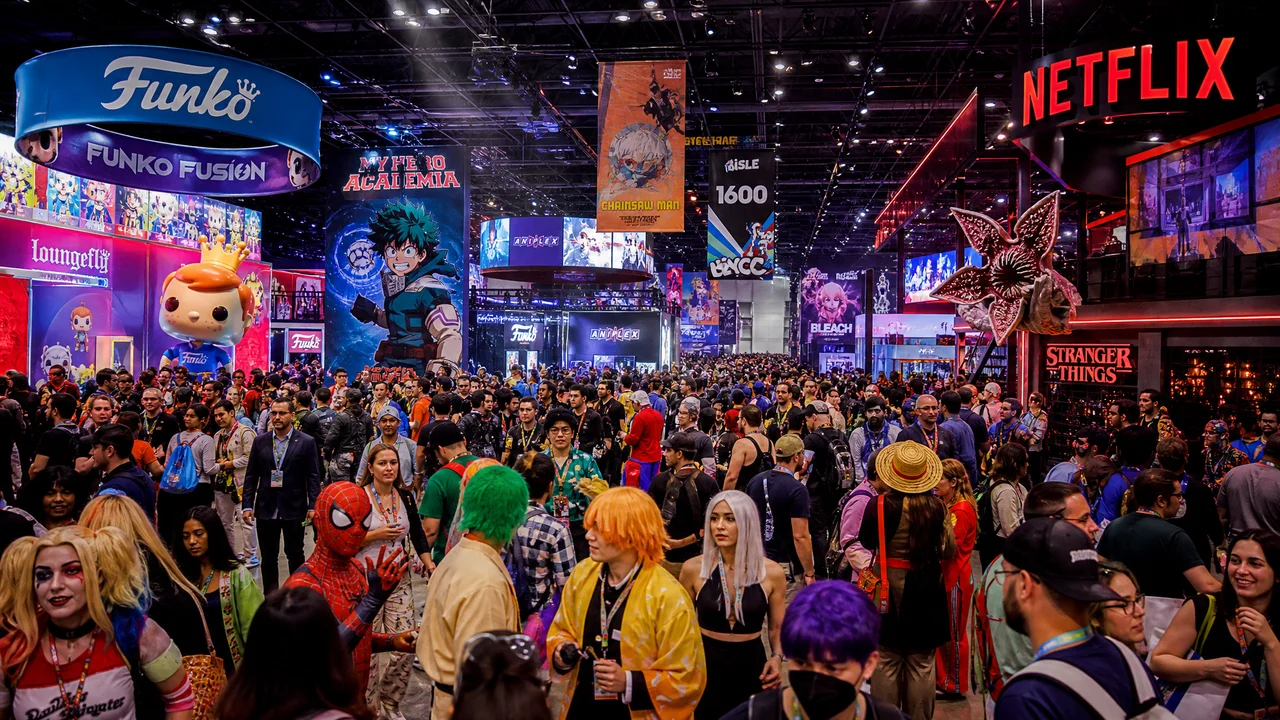
Anime isn't niche anymore. Demon Slayer outearns most Hollywood blockbusters. Crunchyroll commands 13 million subscribers. Anime conventions attract hundreds of thousands. Japanese animation has achieved the mainstream acceptance that seemed impossible twenty years ago.
What Finally Broke Anime Into the Western Mainstream?
Streaming platforms eliminated the access barrier that limited anime's western audience for decades. Netflix, Crunchyroll, and Funimation made thousands of titles available instantly. Viewers no longer needed specialty stores or import connections to discover anime.
Simultaneous global releases changed the conversation entirely. Fans worldwide now watch episodes together and discuss them in real time on social media. The community experience that drives engagement became truly international.
How Did Attack on Titan Become a Global Phenomenon?
Attack on Titan transcended anime fandom by combining accessible storytelling with mature themes. Its geopolitical allegories, moral complexity, and relentless tension attracted viewers who typically avoided animated content. The series proved anime could deliver prestige television quality.
Social media amplified every shocking plot development. Each twist generated viral moments that reached audiences far beyond existing anime fans. The show became appointment viewing that non-anime watchers followed through cultural osmosis.
Why Does Demon Slayer Break Box Office Records?
Demon Slayer: Mugen Train became the highest-grossing Japanese film in history with $500 million worldwide. Its success demonstrated that anime films could compete directly with Hollywood on theatrical screens globally.
The film's animation quality set new industry standards. Studio Ufotable's breathtaking action sequences went viral repeatedly. Visual spectacle that rivaled any CGI blockbuster proved anime's artistic capabilities to skeptical mainstream audiences.
The Studio Ghibli Effect on Western Perception
Hayao Miyazaki's films spent decades softening western resistance to anime. Spirited Away winning the Academy Award for Best Animated Feature in 2003 granted anime institutional credibility. Critics who dismissed animation as children's content reconsidered.
Ghibli's availability on streaming platforms introduced new generations to anime through universally appealing stories. Parents who watched Totoro with their children created family connections to Japanese animation that persist across generations.
How Has Anime Influenced Western Animation?
Shows like Avatar: The Last Airbender, Castlevania, and Arcane borrow anime visual language extensively. Dynamic action choreography, emotional intensity, and serialized storytelling all reflect anime's influence on western animation production.
Western studios now hire anime-trained artists and directors. The stylistic boundaries between anime and western animation blur increasingly. Audiences care less about origin and more about quality, breaking down categorical distinctions.
What Makes Anime Storytelling Different?
Anime willingly kills beloved characters, explores traumatic themes, and refuses neat resolutions. Western animation historically avoided these elements. The willingness to challenge audiences emotionally attracts viewers seeking mature animated content.
Long-running series develop characters over hundreds of episodes. Naruto, One Piece, and Bleach build relationships that span years of real-time viewing. This investment creates emotional attachments that shorter western series rarely achieve.
Is the Anime Industry Facing a Production Crisis?
Explosive demand strains Japanese animation studios severely. Animators work grueling hours for modest pay. The industry's labor practices face growing international scrutiny as audiences realize their favorite shows rely on exploitative working conditions.
Studios struggle to produce enough content to satisfy global appetite. Quality suffers when production schedules compress. Some studios delay releases rather than compromise standards, while others ship visually inconsistent episodes under deadline pressure.
How Does Manga Drive Anime Success?
Most popular anime adapts existing manga series. Manga provides proven stories with established fanbases before animation begins. Publishers use anime adaptations to boost manga sales, creating a mutually beneficial promotion cycle.
Manga readership outside Japan has exploded alongside anime popularity. Bookstores dedicate expanding shelf space to manga. Sales grew over 100 percent in western markets between 2020 and 2023, reflecting anime's cultural penetration.
- Crunchyroll surpassed 13 million paid subscribers globally
- Anime industry revenue exceeded $25 billion in 2023
- Manga sales in North America grew 120% between 2020 and 2023
- Demon Slayer earned $500 million at the global box office
- Over 60% of Netflix's global subscribers watch anime content
What Genres Attract New Anime Viewers?
Action series like Jujutsu Kaisen and My Hero Academia serve as gateway anime for western audiences. Familiar superhero and battle themes ease cultural transitions. Romance and slice-of-life genres build dedicated followings among viewers seeking gentler content.
Sports anime like Haikyuu and Blue Lock attract audiences who never considered animation before. The genre's emotional intensity and competitive narratives resonate with sports fans. Genre diversity ensures anime offers something for virtually every taste.
Will Anime Remain Culturally Dominant?
Structural advantages support continued growth. Japan's creative pipeline produces thousands of manga titles feeding future anime adaptations. Streaming infrastructure delivers content globally at launch. The generation growing up with anime normalizes it permanently.
Chinese and Korean animation industries develop rapidly too. Competition may diversify the animation landscape but anime's cultural foundation remains unmatched. Japanese animation established conventions that global audiences now expect from the medium.
How Should Newcomers Start Watching Anime?
Start with universally praised titles matching your existing genre preferences. Action fans should try Attack on Titan or Demon Slayer. Drama lovers begin with Your Lie in April or Violet Evergarden. Comedy seekers start with Spy x Family.
Don't force yourself to watch subtitled content if dubbed versions exist. Enjoying the story matters more than format authenticity. Many excellent English dubs make anime accessible without reading subtitles during action sequences.