Nostalgia Marketing: Why Brands Sell Your Childhood Back
Explore how nostalgia marketing works, why brands reboot your childhood favorites, and the psychology that makes retro content irresistible.
Anúncios
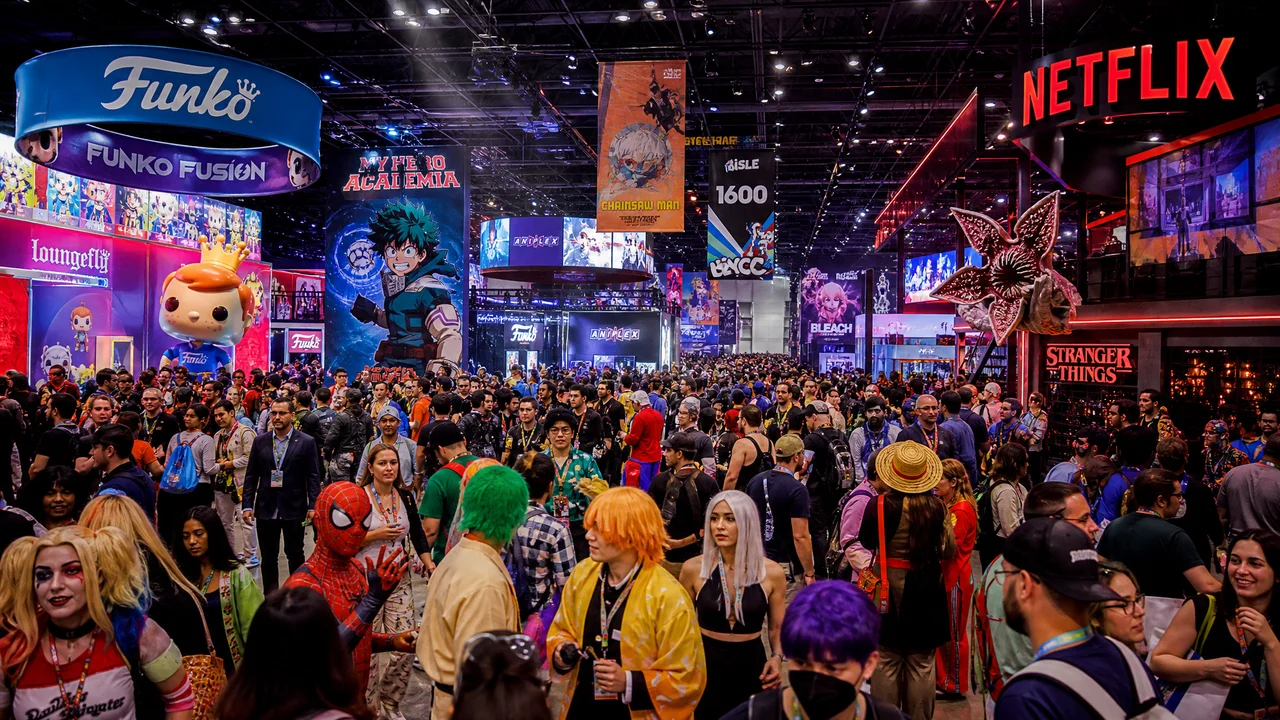
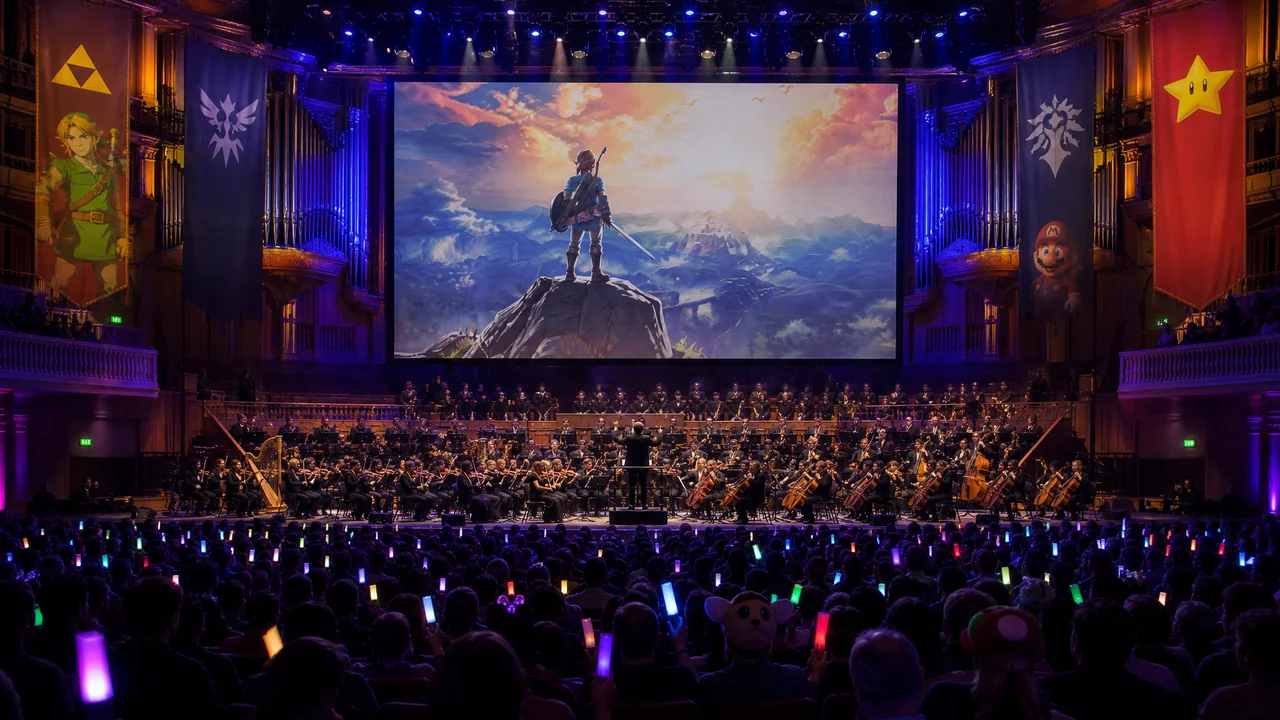
Your childhood is a product now. Studios reboot beloved shows, sneaker brands re-release vintage models, and toy companies resurrect discontinued lines. Nostalgia marketing has become the most reliable strategy in entertainment and consumer goods alike.
What Makes Nostalgia So Powerful in Marketing?
Neuroscience reveals nostalgia activates brain regions associated with reward and pleasure. Remembering positive past experiences triggers dopamine release. Brands that connect their products to warm memories essentially hack your brain's reward system.
The emotion also reduces anxiety and increases feelings of social connection. During uncertain times, familiar cultural touchstones provide psychological comfort. Marketers exploit this effect deliberately during economic downturns and social upheaval.
How Did the Reboot Era Begin?
Hollywood discovered reboots reduced financial risk dramatically. Known properties carry built-in audiences and brand recognition. Studios investing $200 million prefer familiar titles over original concepts because opening weekend projections become more reliable.
The trend accelerated when Transformers, Teenage Mutant Ninja Turtles, and Ghostbusters proved 1980s properties remained commercially viable. Each successful reboot encouraged studios to mine deeper into cultural archives for the next revival.
Why Does Every Decade Get Recycled Eventually?
Marketing follows a roughly 20-year nostalgia cycle. The generation that grew up with a cultural product reaches peak earning power two decades later. They have disposable income and emotional attachment to spend on revisiting their youth.
Currently the 1990s and early 2000s dominate nostalgia marketing. Millennials drive demand for Pokemon revivals, Friends merchandise, and Tamagotchi re-releases. Gen Z simultaneously discovers these properties fresh through social media algorithms.
Does Stranger Things Represent Peak Nostalgia Marketing?
Netflix's Stranger Things masterfully weaponizes 1980s nostalgia while telling an original story. The show's aesthetic, soundtrack, and cultural references create a pastiche that appeals to people who lived through the era and younger audiences experiencing it vicariously.
The show generated massive secondary market effects. Kate Bush's Running Up That Hill resurged to number one, forty years after release. Eggo waffles, Dungeons and Dragons, and BMX bikes all saw sales spikes directly attributable to the show.
How Do Sneaker Brands Exploit Nostalgia?
Nike, Adidas, and New Balance rotate classic silhouettes through limited re-releases. The Nike Dunk, Air Jordan 1, and Adidas Samba cycle through popularity waves engineered by deliberate scarcity and cultural seeding strategies.
Resale markets amplify the nostalgia effect. Limited vintage re-releases create hype that drives both retail and secondary market sales. A shoe that retailed for $120 regularly resells for $300 or more based purely on nostalgic cultural capital.
What Role Does Music Play in Nostalgia Culture?
Vinyl record sales surpassed CD sales for the first time in decades. Consumers purchase physical formats they grew up with as tangible connections to musical memories. The vinyl revival is nostalgia marketing expressed through audio format preferences.
Reunion tours by disbanded groups generate enormous revenue. Fans pay premium prices to relive concert experiences from their youth. Every major reunion tour sells out because the emotional value exceeds the significant ticket costs.
Are Consumers Aware They're Being Manipulated?
Most consumers recognize nostalgia marketing tactics consciously. They understand companies repackage their memories for profit. Yet awareness doesn't diminish effectiveness because the emotional response operates independently from rational analysis.
People willingly participate in nostalgia consumption. Buying a childhood toy reissue provides genuine emotional satisfaction regardless of the commercial motivation behind it. The transaction feels authentic even when both parties understand the dynamics.
When Does Nostalgia Marketing Fail?
Reboots fail when they change what people loved about the original. Altering core characters, tones, or themes triggers backlash from protective fanbases. Nostalgia consumers want enhanced versions of their memories, not reimagined replacements.
Oversaturation also damages effectiveness. When every property gets rebooted simultaneously, individual revivals lose distinctiveness. Audiences experience nostalgia fatigue when confronted with too many callbacks competing for their attention.
- Vinyl record revenue exceeded $1.2 billion in 2023
- The reboot and remake market generates over $10 billion annually
- Nostalgia-themed products see 30% higher engagement on social media
- Pokemon franchise total revenue surpasses $100 billion lifetime
- Reunion concert tours averaged 40% higher ticket prices than new artist shows
How Does Social Media Accelerate Nostalgia Cycles?
Algorithms surface nostalgic content because it generates high engagement. People share childhood memories enthusiastically. Each viral nostalgia post reminds thousands of forgotten cultural artifacts, creating demand that brands then supply.
TikTok accelerates nostalgia cycles dramatically. Songs from the 2000s trend among teenagers who never heard them originally. Cultural artifacts skip generational boundaries entirely through algorithmic distribution, expanding nostalgic audiences beyond their original demographics.
What Does Healthy Nostalgia Consumption Look Like?
Enjoying nostalgic products becomes problematic only when it replaces engagement with new experiences entirely. Healthy nostalgia enhances present enjoyment by connecting it to positive memories. Unhealthy nostalgia uses the past to avoid confronting the present.
Balance matters. Revisiting beloved properties while also exploring original content creates a rich cultural diet. The best consumers appreciate nostalgia without becoming trapped by it. New experiences create tomorrow's nostalgic memories.
Will Nostalgia Marketing Ever Stop Working?
Every generation creates cultural touchstones worth revisiting later. As long as humans form emotional attachments to media during formative years, nostalgia marketing will remain effective. The specific properties change but the underlying psychology stays constant.
Future nostalgia will target digital-native experiences. Today's children will eventually pay to revisit Fortnite seasons, TikTok trends, and Roblox worlds. The cycle continues indefinitely because memory and emotion are permanent features of human experience.