How Music Genres Evolved From Vinyl Records to Streaming
How music genres evolved from vinyl to streaming. The impact of distribution technology on creation, sound, and genre discovery across decades.
Anúncios
Every shift in music distribution technology changed what music sounds like. Music genres evolved alongside the technology that delivered them. Vinyl's warmth shaped analog production. CDs demanded digital clarity. Streaming's unlimited access created genre-blending that previous eras could not support commercially.
How Did Vinyl Records Shape Genre Development?
Vinyl's physical limitations directly influenced songwriting. The 45 RPM single forced songs into three-minute structures. Album sides limited continuous listening to 20-25 minutes, creating natural pacing in album sequencing. These constraints produced the verse-chorus-verse pop formula that dominated music for decades.
Anúncios
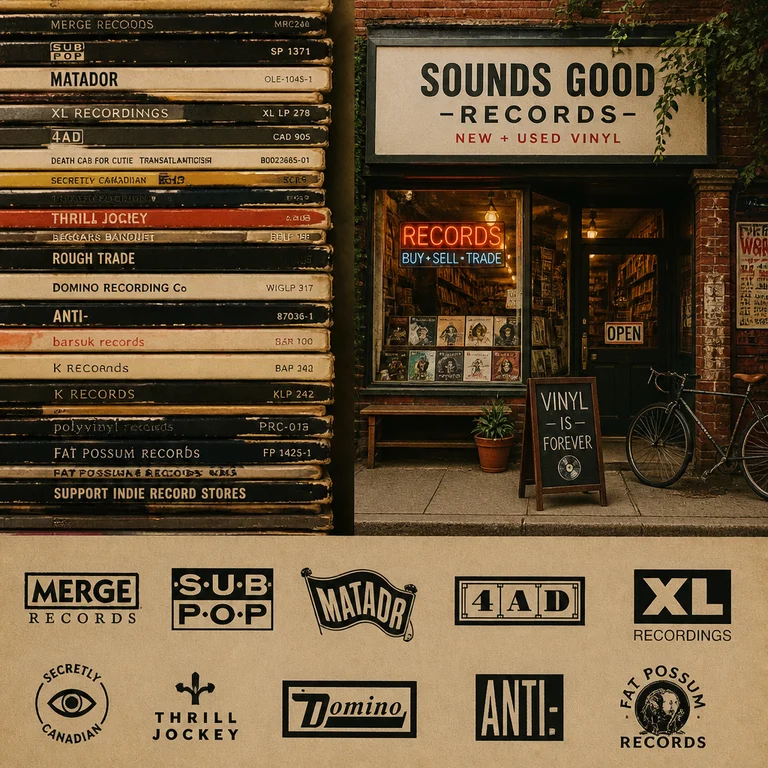
Record store categorization created genre identities. Physical sections labeled rock, jazz, soul, and country created boundaries that listeners internalized. Artists were shelved in one section regardless of how their music crossed boundaries. The physical format enforced genre purity that the music itself often resisted.
What Changed When CDs Replaced Vinyl?
CDs allowed 74-80 minutes of continuous audio, encouraging album bloat that vinyl's limitations prevented. Artists filled the expanded capacity with bonus tracks and extended versions. The shift to digital recording simultaneously cleaned up audio, replacing vinyl warmth with digital precision that changed production aesthetics.
Anúncios
The loudness war escalated during the CD era as producers maximized volume at the expense of dynamic range. Compressed, loud masters became standard because they sounded more impressive in casual listening environments. This production trend affected genre aesthetics across rock, pop, and hip-hop simultaneously.
How Did File Sharing Disrupt Genre Boundaries?
- Napster and LimeWire exposed listeners to genres outside their purchasing habits
- Free access eliminated the financial risk of exploring unfamiliar music
- Playlist culture began replacing album listening as the primary consumption mode
- Remix culture flourished when digital files became infinitely shareable
- Bedroom producers gained distribution without label genre gatekeeping
- Regional genres went global as geographic barriers to distribution disappeared
How Has Streaming Changed What Music Gets Made?
Streaming economics reward high play counts over album sales, shifting incentives toward catchy hooks in the first 30 seconds. Songs that get skipped before 30 seconds generate no royalty. This threshold pressure influenced pop and hip-hop production to front-load energy, changing song structures measurably.
Playlist placement became more important than genre categorization. A song placed on a major Spotify playlist like RapCaviar or Today's Top Hits reaches millions regardless of genre classification. This playlist-first model rewards songs that fit moods and activities rather than traditional genre categories.
Which Genres Emerged Because of Streaming?
Hyperpop, bedroom pop, and lo-fi hip-hop emerged as streaming-native genres. Lo-fi hip-hop study beats became a phenomenon through YouTube and Spotify playlists designed for specific activities rather than genre enjoyment. The genre exists because streaming platforms categorize by function alongside traditional genre labels.
Afrobeats broke globally through streaming platforms that distributed Nigerian and Ghanaian music worldwide without requiring traditional international licensing deals. Burna Boy, Wizkid, and Tems reached global audiences through algorithmic discovery that radio gatekeeping would never have permitted.
Is Genre Becoming Irrelevant in the Streaming Era?
Genre labels persist because they help listeners navigate overwhelming catalogs. However, artists increasingly resist single-genre classification. Billie Eilish blends pop, electronic, and alternative without fitting neatly into any category. Post Malone moves between hip-hop, pop, rock, and country across albums without commercial penalty.
Streaming data reveals that listeners are more genre-fluid than the industry assumed. The same listener streams hip-hop, classical, and country within the same week. Playlists organized by mood, activity, or era replace genre as the primary organizational principle for how people actually consume music.
How Did Hip-Hop Become the Dominant Genre Through Technology?
Hip-hop's rise correlates directly with technology shifts. Sampling technology in the 1980s created the genre's sonic foundation. Home recording equipment in the 2000s democratized production. SoundCloud in the 2010s provided distribution without label backing. Streaming algorithms recognized hip-hop's engagement patterns and promoted the genre aggressively.
Hip-hop's dominance of streaming reflects both genuine popularity and algorithmic amplification. The genre's high replay rates, playlist compatibility, and cultural momentum create a self-reinforcing cycle where success breeds more algorithmic visibility that drives more success. The technology and the genre evolved symbiotically.
What Role Does Social Media Play in Genre Evolution?
TikTok virality creates instant genre micro-trends. A 15-second clip featuring a specific sound can generate millions of streams and spawn entire subgenres within weeks. Sea shanties trended globally through TikTok in 2021, demonstrating that platform mechanics can resurrect or create genres overnight.
The speed of social media trend cycles means genres emerge, peak, and fade faster than in previous decades. This acceleration produces more musical variety but less genre depth. Artists who establish lasting careers increasingly do so by transcending genre trends rather than riding them.
Will AI Change Music Genres Next?
AI music generation tools produce content in any genre instantly, potentially flooding platforms with algorithmically optimized music. The risk is genre homogenization where AI produces safely engaging content that lacks the human risk-taking that creates new genres. Innovation requires intentional deviation from patterns that AI is designed to replicate.
AI may also create entirely new genres by combining sonic elements in ways humans would not intuitively attempt. The technology enables experimentation at zero production cost, which could produce unexpected hybrid genres. Whether these AI-generated genres feel meaningful to human listeners remains an open question.
How to Explore Genre History Through Streaming
Spotify's genre-specific playlists like The History of Hip-Hop and Evolution of Rock trace genre development chronologically. Apple Music's curated guides pair historical context with listening recommendations. These editorial features transform streaming platforms from consumption tools into music education resources.
Following genre evolution chronologically through dedicated playlists reveals connections between eras that listening to individual albums misses. Hearing how blues influenced rock, which influenced punk, which influenced grunge, which influenced alternative creates understanding of music as an ongoing conversation rather than isolated categories.