Independent Music Labels That Changed the Sound of Genres
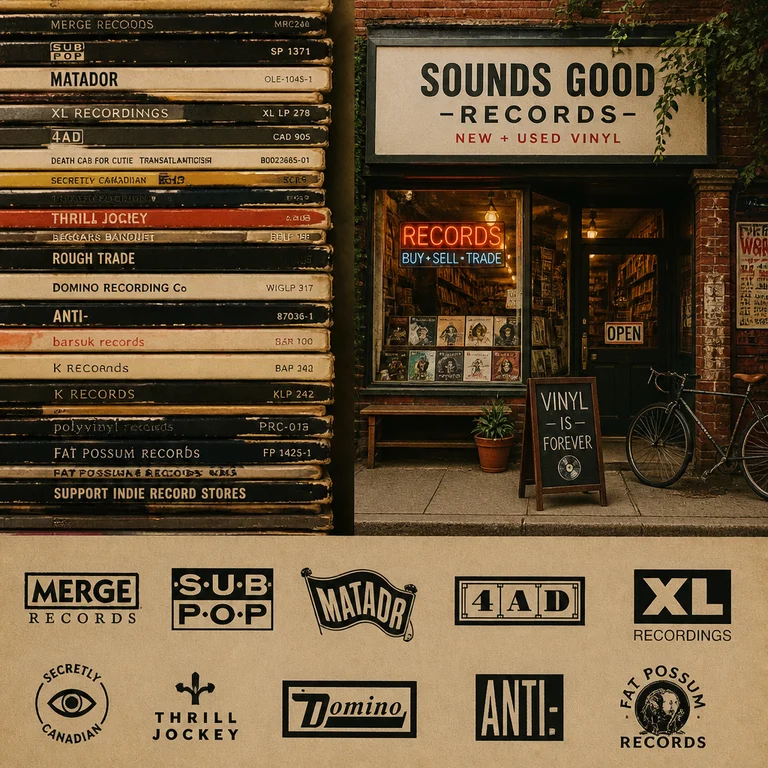
Independent record labels that changed music history. From Motown to Sub Pop, how indie labels defined genres and shaped the sounds we love.
Anúncios
Understanding independent music labels requires looking beyond surface-level trends to the cultural forces that drive them. This deep dive explores how the topic evolved, why it matters, and what it means for audiences who engage with it daily.
What Is the History Behind Independent Music Labels That Changed th?
The roots of independent music labels trace back further than most people realize. Cultural movements rarely emerge from nothing — they build on decades of incremental change that reaches a tipping point. Understanding this history provides context that surface-level analysis misses entirely.
What appears as sudden cultural shifts actually represent years of underground development finally reaching mainstream awareness. Early adopters and niche communities cultivate trends long before mass audiences discover them. By the time something trends on social media, its cultural foundation is already well established.
How Has Independent Music Labels Changed in Recent Years?
The past five years transformed this landscape dramatically. Technology, social media, and changing audience demographics created conditions for rapid evolution. What worked in 2019 looks dramatically different from what resonates today, and the pace of change continues accelerating.
Streaming platforms and social media algorithms amplified certain aspects while suppressing others. The democratization of content creation meant more voices contributed to the conversation than ever before. This expanded participation enriched the cultural landscape while creating unprecedented competition for attention.
What Are the Key Trends Shaping This Space?
- Digital-first experiences replacing traditional formats and distribution channels
- Global audiences discovering content that was previously geographically limited
- Creator economy enabling individuals to compete with established institutions
- AI tools changing how content gets created, distributed, and consumed
- Community-driven movements replacing top-down corporate cultural production
- Cross-platform content strategies reaching audiences wherever they spend time
Why Does Independent Music Labels Matter for Modern Culture?
The significance of independent music labels extends beyond entertainment into how communities form identity, share values, and communicate across cultural boundaries. What starts as a niche interest often becomes a lens through which broader social changes become visible and understandable.
Cultural critics who dismissed this space as trivial consistently underestimated its influence on mainstream behavior, purchasing decisions, and political engagement. The line between pop culture and serious culture dissolved as digital media made every cultural expression simultaneously accessible to global audiences.
How Do Economic Forces Drive Cultural Change?
Money follows attention, and attention follows cultural relevance. When audiences demonstrate sustained interest in a cultural phenomenon, investment follows from brands, platforms, and creators seeking to capitalize on that attention. This economic feedback loop accelerates cultural development but also introduces commercial pressures that can dilute authenticity.
The tension between authentic cultural expression and commercial exploitation defines much of the contemporary cultural landscape. Communities that develop organically resist corporate co-option while simultaneously benefiting from the resources and visibility that commercial investment provides.
What Role Does Technology Play in Cultural Evolution?
Every major cultural shift in the past two decades connects to technological change. Social media enabled communities that geographic distance previously prevented. Streaming eliminated distribution gatekeeping. Smartphones put creation and consumption tools in every pocket. Each technological advance created new cultural possibilities.
AI represents the next technological inflection point for cultural production. Tools that generate text, images, music, and video challenge assumptions about creativity, authenticity, and artistic value. How culture adapts to AI-generated content will define the next decade of cultural evolution.
How Does Global Culture Share and Diverge?
The internet created global cultural exchange at unprecedented speed. K-pop, anime, Afrobeats, and Latin music demonstrate that cultural products from any region can achieve worldwide audiences when distribution barriers fall. This globalization enriches cultural diversity while creating questions about cultural appropriation and ownership.
Regional cultural products maintain distinct identities while participating in global conversations. The most successful cultural exports balance universal emotional appeal with specific cultural authenticity. Audiences worldwide demonstrate appetite for genuine cultural expression over homogenized global content.
What Can We Learn From How Culture Evolves?
Cultural evolution teaches that audiences are more sophisticated, diverse, and demanding than institutional gatekeepers typically assume. Every prediction about audience behavior based on demographics alone has been proven incomplete by actual behavioral data. People surprise the algorithms regularly.
The most durable cultural phenomena create genuine community and emotional connection rather than simply demanding attention. Content that respects audience intelligence, provides authentic value, and invites participation outlasts content that manipulates, exploits, or condescends. Quality and authenticity remain the only reliable long-term strategies.
Where Is This Cultural Space Heading Next?
Prediction in cultural evolution is unreliable by definition because the most impactful developments are the ones nobody anticipates. What we can predict is that change will continue accelerating, technology will continue enabling new forms of expression, and audiences will continue demanding more authentic and diverse content.
The most exciting cultural developments will likely come from communities and creators currently operating below mainstream radar. Today's underground is tomorrow's mainstream. Staying curious, open to unfamiliar perspectives, and willing to explore beyond algorithmic recommendations positions you to discover cultural developments before they become trends.