Comfort TV Shows That Never Get Old No Matter How Many Rewatches
Comfort TV shows perfect for rewatching. Why certain series feel like home and which shows streaming viewers return to most often.
Anúncios
Some shows function as emotional blankets. Comfort TV shows provide predictable warmth, familiar characters, and low-stakes entertainment that calms anxiety and fills background silence. The science behind rewatching explains why returning to a show you have seen five times feels better than starting something new.
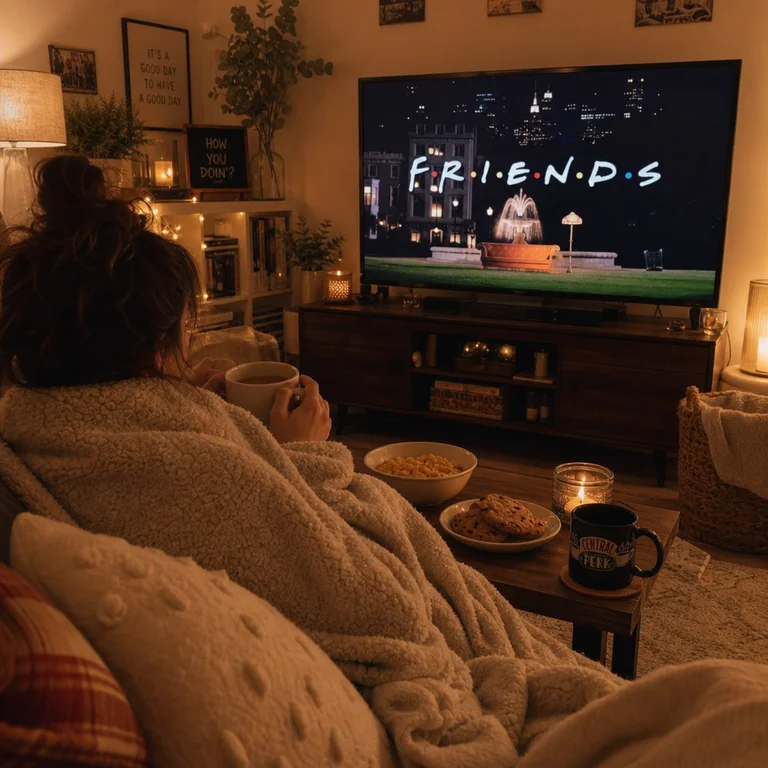
Why Does Rewatching TV Shows Feel So Comforting?
Psychologists call it the mere exposure effect. Familiarity breeds positive feelings. Knowing how a story ends eliminates the anxiety of uncertainty. Rewatching becomes a form of emotional regulation where the brain processes positive associations without the cognitive load of interpreting new information.
During periods of stress, the brain seeks predictable stimuli. A rewatch provides entertainment with guaranteed emotional outcomes. The characters feel like friends you can visit without social energy expenditure. This parasocial comfort explains why comfort show rewatching spikes during economic downturns and health crises.
Which Shows Do People Rewatch the Most?
The Office and Friends consistently top rewatch charts across every streaming platform. Their episodic structure means any episode works independently without context. The ensemble casts provide variety within familiarity. Sitcom rhythm of setup-complication-resolution in 22 minutes creates perfect comfort television pacing.
Parks and Recreation, Brooklyn Nine-Nine, and Schitt's Creek represent the next tier of comfort rewatches. Each show maintains relentless positivity where good people face manageable problems and grow together. The absence of mean-spirited humor distinguishes comfort shows from darker comedies that entertain but do not soothe.
What Makes The Office the Ultimate Comfort Show?
- Episodic structure — any episode works without watching sequentially
- Background-friendly — entertaining without demanding full attention
- Emotional range — funny enough to lift mood, warm enough to comfort
- Character growth — watching Jim and Pam's relationship arc provides reliable emotional payoff
- Short episodes — 22 minutes fits any schedule gap perfectly
- Endless content — 201 episodes provide weeks of background viewing
Are Animated Comedies Better Comfort Shows Than Live Action?
Bob's Burgers, Futurama, and Avatar: The Last Airbender rank among the most rewatched animated comfort shows. Animation ages differently than live action — the visual style remains consistent across decades. No actors age out of their characters. The stylized world feels permanently inviting.
The Simpsons' early seasons provide comfort through nostalgia for both the show and the era it depicts. Studio Ghibli films serve as animated comfort content with their gentle pacing and beautiful worlds. Animation's inherent unreality creates additional distance from real-world stress.
Which Dramas Work as Comfort Rewatches?
Gilmore Girls built a comfort empire on rapid-fire dialogue, small-town charm, and mother-daughter dynamics. Friday Night Lights offers emotional warmth through community sports drama. Downton Abbey provides period-drama comfort through predictable class dynamics and beautiful production design.
Ted Lasso crossed from comedy to dramatic comfort viewing through relentless optimism and emotional vulnerability. The show explicitly argues that kindness works, which provides comfort through philosophy as much as entertainment. Comfort dramas share an implicit promise that things will work out.
How Does Background TV Differ From Active Rewatching?
Background TV serves as audio wallpaper during other activities. The dialogue becomes ambient sound that fills silence without demanding attention. Shows with distinctive voices and recognizable rhythms work best as background. The Office, Friends, and Parks and Rec dominate background viewing because their audio is entertaining without requiring visual attention.
Active rewatching catches details missed previously. New episodes of understanding emerge from familiar content when you pay closer attention. Background and active rewatching serve different psychological needs but both provide the comfort of known content.
Do Comfort Shows Affect Mental Health?
Research published in the Journal of Consumer Research found that rewatching favorite shows restores feelings of self-control and reduces the sense of loneliness. The familiarity provides social simulation without social demands. For people experiencing isolation, comfort shows serve a measurable psychological benefit.
Excessive comfort rewatching can indicate avoidance behavior where entertainment replaces addressing underlying stress. The distinction between healthy comfort viewing and avoidance lies in whether it supplements or replaces other coping strategies. A comfort show after a hard day is healthy. A comfort show instead of addressing the hard day is avoidance.
Which Cooking and Home Shows Provide Comfort?
The Great British Bake Off became a global comfort phenomenon through gentle competition, supportive judges, and the absence of manufactured drama. Nailed It provides comfort through chaotic fun rather than peaceful warmth. Queer Eye offers emotional comfort through genuine human transformation stories.
Home renovation shows like Fixer Upper provide comfort through visible transformation. The before-and-after structure guarantees satisfying outcomes. Garden and craft shows on YouTube extend this comfort category into endless free content. The appeal is watching competent people make things better.
How to Build a Comfort Show Rotation
Maintain three to four comfort shows in rotation to prevent single-show fatigue. Alternate between sitcoms, dramedies, and unscripted comfort content. Seasonal rotation works well: lighter comedies in summer, cozy dramas in fall and winter, competition shows in spring.
Add one new potential comfort show per quarter. Not every pleasant show becomes comfort television. The designation develops through repeated viewing where the show proves reliable across different moods. Your comfort roster evolves as your life circumstances and emotional needs change over time.
Why Do Comfort Shows From Your Childhood Hit Different?
Childhood shows carry emotional associations from the period of life when you first watched them. Returning to that content triggers memories of the safety and simplicity of childhood. The nostalgia combines with mere exposure effects to create uniquely powerful comfort responses that newer shows cannot replicate.
This explains why different generations have different comfort canons. Gen X rewatches Seinfeld and Cheers. Millennials rewatch The Office and Friends. Gen Z gravitates toward Avatar and early 2010s content. Each generation's comfort television reflects formative viewing experiences rather than objective quality rankings.