TV Shows Based on True Stories That Got the Facts Right
TV shows based on true stories that accurately portrayed real events. Which adaptations got the facts right and which took notable creative liberties.
Anúncios
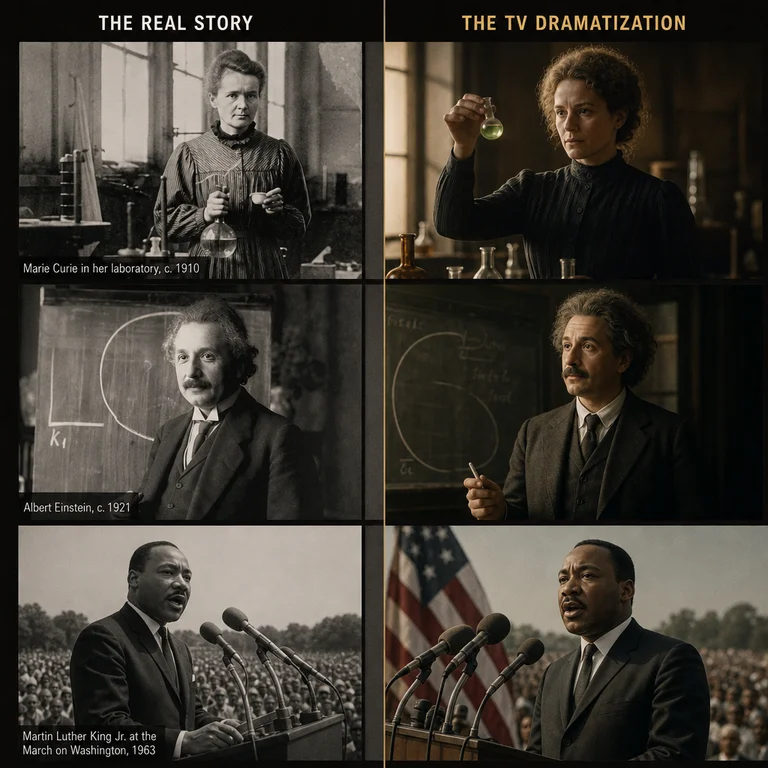
Based on a true story covers everything from meticulous recreation to Hollywood fabrication. The best TV shows based on true stories balance dramatic storytelling with factual integrity, respecting real people's experiences while creating compelling television. Knowing which shows got it right changes how you watch them.
Which Shows Set the Standard for True Story Accuracy?
Chernobyl on HBO researched extensively through survivor interviews, declassified Soviet documents, and scientific consultants. Creator Craig Mazin produced a companion podcast explaining what was real and what was dramatized for each episode. This transparency set a new standard for accountability in true-story adaptations.
Band of Brothers interviewed surviving Easy Company veterans and incorporated their testimony directly into each episode. The living subjects validated the portrayals, lending authenticity that pure dramatization cannot achieve. Ending each episode with real veteran interviews bridged the gap between entertainment and documentary.
How Accurate Is The Crown's Portrayal of the Royal Family?
The Crown dramatizes private conversations and emotional states that no outsider witnessed, creating fictional intimacy with real people. Broad historical events are accurately depicted while interpersonal dynamics are imagined by writers. The show's creator Peter Morgan acknowledged that 30% is imagined to fill gaps in the historical record.
Netflix eventually added disclaimers noting the show is fiction inspired by real events after the British government and royal family members objected to specific dramatizations. The controversy highlighted the tension between dramatic license and responsibility when portraying living people whose reputations are affected by fictional portrayals.
Which True Crime Shows Are Most Factually Reliable?
- When They See Us — Ava DuVernay worked directly with the Central Park Five exonerees
- Unbelievable — adapted from a Pulitzer Prize-winning investigative article
- The Act — closely followed documented evidence of Gypsy Rose Blanchard's case
- Manhunt: Unabomber — consulted with FBI profiler James Fitzgerald
- American Crime Story: The People v. O.J. Simpson — drew from extensive trial transcripts
- Under the Banner of Heaven — based on Jon Krakauer's heavily researched book
Where Do True Story Shows Take the Most Creative Liberties?
Composite characters represent the most common liberty. Real events involved dozens of people, but television condenses them into a few characters for narrative clarity. These composite characters combine actions of multiple real people into one, simplifying stories but distorting individual contributions.
Timeline compression accelerates events that unfolded over months or years into days or weeks for dramatic pacing. This distortion makes events feel more urgent than reality but misrepresents the actual pace of investigation, legal proceedings, or historical change. Most true-story shows compress timelines significantly.
How Do True Story Shows Handle Living Subjects?
Shows featuring living subjects face legal and ethical constraints that historical dramas avoid. Inventing dialogue for living people risks defamation claims. Most productions consult with or license stories from their subjects, giving real people varying degrees of creative input and approval.
Subjects who cooperate with productions generally receive more favorable portrayals. Those who refuse cooperation or actively oppose adaptations may be portrayed less sympathetically. This dynamic introduces bias that viewers should consider when evaluating how true a true story adaptation actually is.
What Historical Dramas Best Capture Their Era?
Mad Men captured 1960s advertising culture, gender dynamics, and social change with period-accurate detail in set design, fashion, and cultural references. The show's creator Matthew Weiner researched extensively to ensure every visual element matched the specific year each season depicted.
Halt and Catch Fire recreated the early personal computing era with technical accuracy that satisfied both general audiences and industry veterans. The Marvelous Mrs. Maisel brought 1950s New York comedy culture to life through exhaustive research into real comedy clubs, social norms, and entertainment industry practices.
How Should Viewers Evaluate True Story Accuracy?
Check whether the production consulted with real subjects, historians, or subject matter experts. Shows that cite specific sources and provide supplementary materials demonstrate commitment to accuracy. Companion podcasts, like Chernobyl's, offer transparency that silent adaptations do not.
Cross-reference key plot points with independent reporting. Wikipedia's pages for true-story adaptations typically include accuracy sections comparing the show to documented facts. This five-minute check transforms entertainment viewing into informed engagement with real history.
Do Inaccurate True Story Shows Cause Real Harm?
Research shows that viewers often remember dramatized versions of events more readily than documented facts. When The Crown depicts a private conversation that never happened, millions of viewers incorporate that fiction into their understanding of real history. The responsibility to accuracy increases with audience size.
True crime shows can affect ongoing legal cases, jury pools, and public opinion about real defendants. Making a Murderer generated enough public pressure to influence legal proceedings. The power to shape real-world outcomes through dramatized presentation carries ethical weight that entertainment framing does not eliminate.
Which Upcoming True Story Shows Look Promising?
Every major streaming platform develops true story content because the format combines brand recognition with built-in narrative structures. Real events provide plot outlines that writers adapt rather than invent from scratch. The trend toward true-story programming will continue as long as audiences demonstrate preference for real events.
The most promising upcoming adaptations pair established showrunners with stories that have not been previously dramatized. Fresh true stories avoid the comparison problem that plagues adaptations of well-known events. Obscure but compelling real events offer the richest material for television adaptation.
Building a True Story Watchlist With Context
Pair each true story show with a documentary or book about the same events. Watch the dramatization for entertainment and emotional engagement. Follow with the documentary or book for factual context. This paired approach provides the best of both formats while compensating for each one's limitations.
Create a reading list alongside your viewing list. The best true-story shows adapt books that contain more detail and context than television can convey. Under the Banner of Heaven, Unbelievable, and When They See Us all have source materials that enhance understanding beyond what the shows present.