Horror Movies That Are Actually Scary According to Science
Horror movies proven scariest by scientific measurement. Heart rate data and research on why certain films create genuine fear responses in audiences.
Anúncios
Scientists measured heart rates, galvanic skin response, and brain activity during horror film screenings to determine which horror movies actually scary audiences at a physiological level. The results separated genuinely frightening films from those that merely startle with jump scares.
How Do Scientists Measure How Scary a Movie Is?
Anúncios
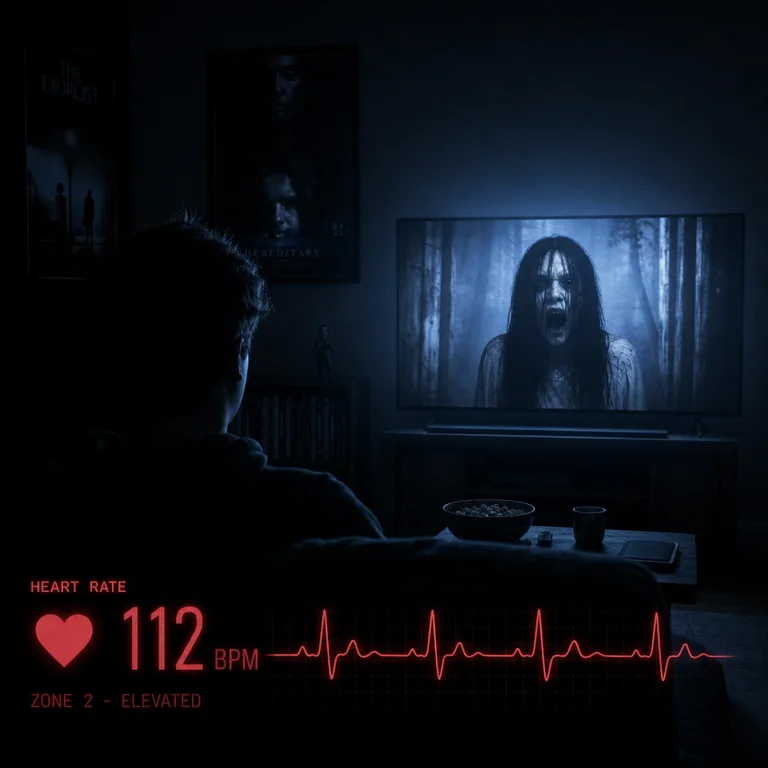
Broadband Cinema Science monitored heart rates of subjects watching horror films in controlled settings. Resting heart rate averages 60-80 beats per minute. The scariest films elevated heart rates to 85-100+ BPM sustained over extended periods. Jump scares spike briefly to 120+ BPM but do not indicate sustained fear.
Galvanic skin response measures sweat production triggered by anxiety. Brain imaging shows which regions activate during fear: the amygdala for threat detection, the prefrontal cortex for anticipatory dread, and the insular cortex for disgust. Films that activate multiple fear pathways simultaneously produce the most intense experiences.
Which Movies Raised Heart Rates the Most?
Anúncios
Sinister consistently tops scientific scariness rankings, raising average heart rate to 86 BPM from a resting 65 BPM baseline across multiple studies. The film's combination of disturbing imagery, atmospheric dread, and a genuinely unsettling score by Christopher Young creates sustained physiological distress rather than momentary shocks.
Insidious, The Conjuring, and Hereditary follow closely in measured heart rate elevation. Each film builds tension through atmosphere and character investment before deploying scares that carry emotional weight. The pattern suggests that caring about characters magnifies fear responses compared to watching expendable victims.
Why Does Hereditary Create Such Intense Anxiety?
- Grief-based horror — taps into universal fear of losing family members
- Slow build — 45 minutes of family drama before horror elements appear
- Toni Collette's performance — genuine emotional devastation sells the supernatural threat
- Sound design — low-frequency rumbles create subconscious unease
- Unpredictable structure — refuses to follow genre conventions about who survives
- One specific scene — audiences report genuine shock at a mid-film event
Do Jump Scares Make a Movie Scarier or Just Startling?
Jump scares trigger the startle reflex, an involuntary response to sudden stimuli. This reflex operates independently of actual fear. A balloon popping produces the same startle response as a monster appearing. Films that rely primarily on jump scares produce adrenaline spikes without the sustained dread that constitutes genuine horror.
The most effective jump scares build on existing tension. The Conjuring's clap scene works because minutes of quiet dread precede the scare. The jump releases accumulated tension rather than creating it from nothing. This distinction separates crafted horror from cheap shock tactics.
What Role Does Sound Play in Horror Film Fear?
Infrasound below 20 Hz causes physical discomfort, anxiety, and the sensation of being watched without conscious awareness of the sound source. Horror films use infrasound in scores and sound design to create unease that audiences cannot locate or rationalize. The fear feels internal rather than screen-derived.
Silence proves equally powerful. A Quiet Place weaponizes silence by making sound dangerous within the story. Audiences in theaters reported holding their breath and suppressing coughs. The film turned the viewing environment into a participatory horror experience where the audience's own noise created tension.
Which Horror Subgenres Generate the Most Fear?
Supernatural horror generates the highest sustained fear responses in studies because threats that violate natural law trigger deeper existential dread than physical threats. Audiences can rationalize escaping a slasher but cannot rationalize escaping a demon. The impossibility of defense amplifies helplessness.
Psychological horror that questions reality produces lasting unease that extends beyond viewing. Films like The Shining and Mulholland Drive create uncertainty about what is real that lingers for days. Body horror triggers visceral disgust responses distinct from fear but equally intense in physiological measurement.
Why Are Some People More Sensitive to Horror Than Others?
Individual differences in amygdala reactivity explain varying horror tolerance. People with highly reactive amygdalae experience stronger fear responses to the same stimuli. This sensitivity is partially genetic and partially shaped by exposure history. Neither high nor low sensitivity is better; they represent neurological variation.
Horror tolerance increases with exposure as the brain learns to down-regulate fear responses to familiar stimuli. Regular horror viewers experience less physiological distress from typical genre conventions, pushing them toward more extreme content to achieve the same adrenaline response. This explains the escalation in horror content intensity.
What Makes Japanese Horror Uniquely Disturbing?
Japanese horror operates on different fear principles than Western horror. Ringu and Ju-On use slow-moving threats that cannot be outrun or fought. The inevitability of doom creates dread rather than adrenaline. Western audiences conditioned to expect that protagonists can survive through action find the passive helplessness deeply unsettling.
Cultural elements unfamiliar to Western viewers add an extra layer of unease. Ghosts motivated by grudge rather than vengeance, water as a conduit for supernatural intrusion, and hair as a horror element all feel alien enough to bypass the genre literacy that makes Western horror predictable.
How Has Modern Horror Evolved From Classic Fear Tactics?
Elevated horror — films like Get Out, Midsommar, and The Babadook — uses horror conventions to explore social anxiety, grief, and identity rather than simply generating fear. These films scare through recognition of real emotional experiences as much as through supernatural threats.
The shift toward daylight horror in films like Midsommar and The Wicker Man challenges the association between darkness and fear. Showing horrifying events in bright sunshine removes the safety of visual obscurity. The audience sees everything clearly, which paradoxically makes the horror worse because there is nowhere for the mind to hide.
Which Classic Horror Movies Still Hold Up Scientifically?
The Exorcist still generates elevated heart rates in controlled studies despite being over 50 years old. The combination of religious anxiety, bodily violation, and a child in danger taps into primal fears that do not date. Psycho's shower scene still triggers measurable startle responses because its editing rhythm bypasses genre awareness.
The Texas Chain Saw Massacre's documentary-style filmmaking creates a sense of real danger that polished modern horror cannot replicate. The gritty aesthetic triggers threat responses calibrated for real violence rather than fictional entertainment. Some classic horror techniques cannot be improved by modern production values.
Why Do People Enjoy Being Scared by Movies?
Horror films trigger adrenaline and endorphin release in a controlled environment. The chemical cocktail produces excitement similar to roller coasters or skydiving without physical risk. When the credits roll, the relief of surviving the experience creates a measurable mood elevation researchers call the excitation transfer effect.
Horror also serves as emotional rehearsal. Experiencing fear in a safe context builds emotional regulation skills. Regular horror viewers show better stress management in studies compared to non-viewers. The genre functions as a psychological gym where audiences practice handling threatening emotions.