How to Watch Movie Trilogies in the Right Order
Watch movie trilogies in the right order. Release vs chronological order guides for Star Wars, Marvel, Lord of the Rings, and every major franchise.
Anúncios
Starting a franchise from the wrong film ruins reveals, confuses timelines, and wastes emotional buildup that directors carefully constructed. Watching movie trilogies right order maximizes the experience whether you choose release order, chronological order, or alternative viewing sequences designed by fans.
Should You Watch Trilogies in Release Order or Chronological?
Release order preserves the storytelling experience as the filmmakers intended. Twists, reveals, and character introductions land with maximum impact when watched in the order audiences originally discovered them. Star Wars prequels spoil the biggest reveal in cinema history if watched first.
Chronological order works best for rewatches when you already know the story and want to experience events linearly. Some franchises like the MCU offer distinct chronological viewing guides that create a different narrative flow from release order without spoiling key moments.
What Is the Best Order to Watch Star Wars?
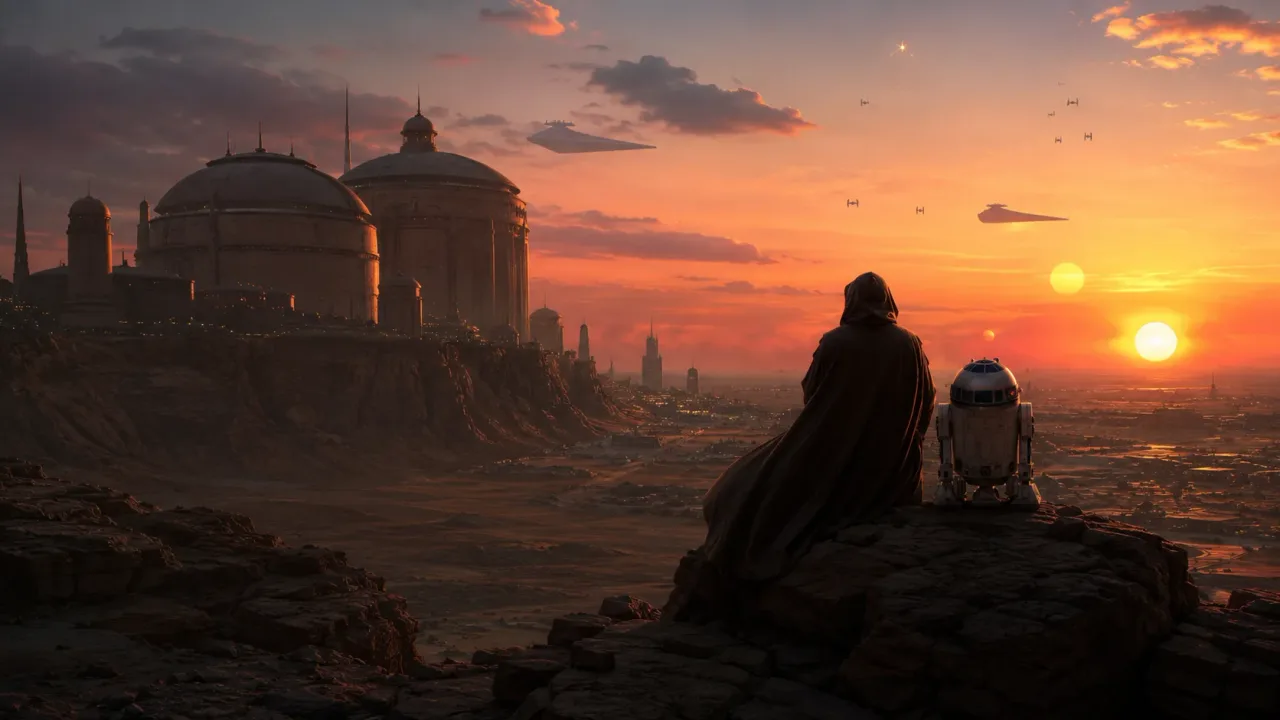
The original release order remains the best first-time viewing experience: Episodes IV, V, VI, then I, II, III, followed by VII, VIII, IX. The Machete Order offers an alternative: IV, V, II, III, VI, skipping Episode I entirely. This order preserves the Darth Vader reveal while using prequels as extended flashback.
Standalone films Rogue One and Solo fit best watched after the main saga. Rogue One immediately before Episode IV creates a powerful transition. Solo works anytime after Episode V introduces Han's character. The animated series Clone Wars and Rebels are best experienced after the film trilogies establish the foundation.
How Should You Watch the MCU for the First Time?
- Release order — the intended experience that builds connections naturally
- Phase-by-phase — grouping films by MCU phase creates manageable chunks
- Character-focused — watch all Iron Man films, then Captain America, then Avengers
- Essential-only — Iron Man, Avengers, Winter Soldier, Civil War, Infinity War, Endgame
- Chronological — Captain America: First Avenger first, then by story timeline
- Skip the shows — or include them; Disney+ series add depth but are not essential
Is Lord of the Rings Better as Theatrical or Extended?
Theatrical cuts provide tighter pacing and maintain momentum across three films totaling about 9 hours. Extended editions add 2+ hours of additional scenes that deepen lore and character but slow the pace. First-time viewers benefit from theatrical cuts. Fans who loved the theatrical versions should immediately revisit in extended form.
Watch Lord of the Rings before The Hobbit trilogy regardless of chronological order. The Hobbit films are designed assuming knowledge of Lord of the Rings characters and references. Starting with The Hobbit spoils moments and reduces the impact of Lord of the Rings character introductions.
What Order Works Best for the Batman Movies?
Christopher Nolan's Dark Knight trilogy stands alone: Batman Begins, The Dark Knight, The Dark Knight Rises. Tim Burton's Batman and Batman Returns exist in their own continuity. The new Matt Reeves Batman launched a separate universe. Each trilogy functions independently without connection to the others.
Attempting to watch all Batman films chronologically creates confusion because they are separate interpretations rather than a continuous story. Pick one vision of Batman and watch it complete before moving to another. The Nolan trilogy offers the most complete narrative arc for first-time Batman viewers.
How Do You Navigate the X-Men Timeline?
The X-Men franchise timeline is genuinely broken due to contradictions between films. The simplest approach watches the original trilogy (X-Men, X2, The Last Stand), then the prequel series (First Class, Days of Future Past, Apocalypse, Dark Phoenix). Logan works as a standalone conclusion regardless of timeline placement.
Days of Future Past explicitly resets the timeline, making earlier continuity errors intentional rather than accidental. Deadpool exists partially outside the main timeline through fourth-wall-breaking humor. The franchise rewards a relaxed approach to continuity rather than strict sequential viewing.
What About Franchise Spin-Offs and Prequels?
Spin-offs work best after completing the main franchise. Watching Fantastic Beasts before Harry Potter spoils character references and reduces the impact of world-building reveals. Spin-offs assume audience knowledge of the main series and design their storytelling accordingly.
Prequels that released after the original films contain spoilers for the original by design. Prometheus and Alien: Covenant reveal origins that the original Alien left deliberately mysterious. Watching them first eliminates the mystery that made the original franchise compelling.
How Long Does Each Major Franchise Take to Watch?
The complete MCU through Endgame runs approximately 50 hours. Star Wars main saga plus standalone films totals about 25 hours. Lord of the Rings extended editions run 12 hours. Harry Potter complete runs 20 hours. The Dark Knight trilogy fits into 7.5 hours. Plan franchise marathons with realistic time expectations.
Breaking franchises into viewing blocks of 2-3 films per session prevents fatigue while maintaining narrative momentum. Weekend marathons work for trilogies. Extended franchises like MCU benefit from a film-per-day approach over several weeks that matches the original theatrical spacing.
Which Franchises Have the Best First Film?
The original Matrix, Alien, Terminator, and Die Hard each delivered such definitive first entries that sequels struggled to justify existence. These films work perfectly as standalones. Watching only the original avoids the diminishing returns that plague most franchise extensions.
Some franchises improve beyond their first entry. Mad Max: Fury Road surpasses the original trilogy. The Dark Knight exceeds Batman Begins. Terminator 2 outperforms The Terminator. These sequels represent the rare cases where franchise continuation produces the best entry in the series.
Creating a Year-Long Movie Franchise Viewing Plan
Assign one franchise per month. January for Star Wars. February for Lord of the Rings. March for MCU Phase One. Spreading franchise viewing across the year prevents burnout and allows appreciation of each property on its own terms rather than rushing through content.
Mix franchise months with standalone film months to maintain variety. After a 30-film MCU marathon, a month of independent films cleanses the palate. The annual plan ensures comprehensive franchise coverage while preserving enthusiasm for each property.